This worksheet is primarily intended for primary school teachers as a methodological teaching aid. It integrates knowledge from history, chemistry and natural sciences, and offers pupils the opportunity to understand both historical and scientific aspects of mining through practical activities.
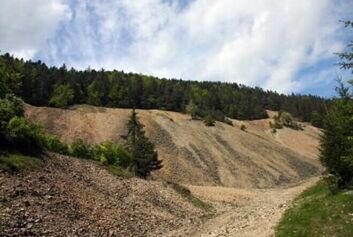
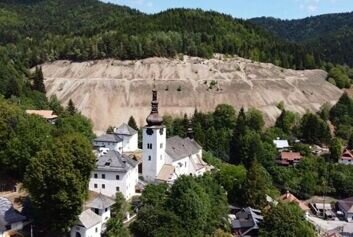
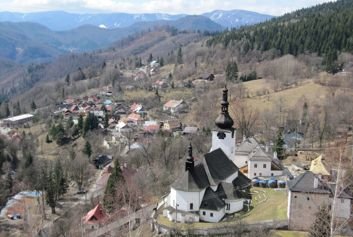
The worksheet focuses on the study of mining waters in the area of Ľubietová, which originate in the context of historical copper mining and flow past mining heaps. Pupils analyse how the presence of copper affects water quality and living conditions for organisms, while observing changes along the stream.
Through field and laboratory activities, pupils:
- determine the physical and chemical properties of water (colour, odour, temperature, pH),
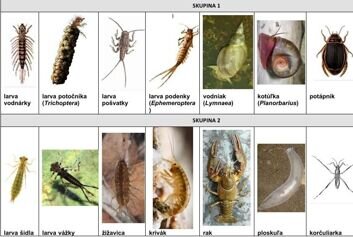
- investigate aquatic invertebrates and assess water quality using bioindicators,
- analyse the diversity of organisms in different parts of the stream,
- observe microscopic organisms (algae, protozoa) using a microscope,
- compare results across different sampling sites and localities.
The worksheet includes:
- an introductory text with environmental and biological context,
- field research involving the selection of sampling sites and data recording,
- experimental tasks focused on water and organism analysis,
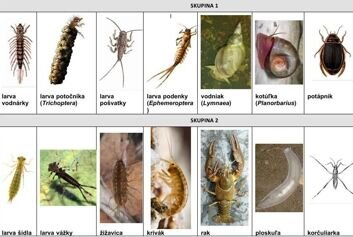
- identification tables of aquatic invertebrates and microorganisms,
- tasks for evaluation, comparison and interpretation of results.
The full worksheet in PDF format, available in Slovak and English, can be found here: Tracing Life in Mining Waters – Ľubietová